Living in a busy area like Velachery, it’s easy to ignore skin, hair, or scalp issues until they start affecting your confidence or daily life. Many people keep switching creams, home remedies, or salon treatments for months before asking a simple question: “When should I see a dermatologist? This guide explains clear, practical signs it’s time to book a dermatologist consultation instead of guessing, especially if you’re looking for the best skin clinic support in Velachery.
Why Seeing a Dermatologist Early Matters
A dermatologist is a medical doctor who treats conditions related to your skin, hair, and nails. Early diagnosis helps prevent deep acne scars, stubborn pigmentation, infections, and even serious diseases like skin cancer from progressing.
In Velachery and other parts of Chennai, constant heat, humidity, sweat, pollution, and hard water make common skin problems worse. When persistent skin issues keep coming back, a professional medical evaluation is safer than relying only on online tips or random products.
Table of Content
How This Guide Helps You

This article explains 10 common signs when it’s safer to book a dermatologist consultation rather than trying random products or online advice. These are based on patterns dermatologists see every day in clinics: persistent issues, sudden changes, or symptoms that keep coming back.
If you notice yourself in any of these signs, it may be the right time to move from trial-and-error to expert, personalised care.
Sign 1: Persistent Acne That Just Won’t Go Away
A pimple once in a while is normal. But if you have breakouts that:
- Lasts for more than 8–12 weeks
- Keep appearing on cheeks, jawline, back, or chest
- Leave dark marks and scars
Then it’s a sign you need to see a dermatologist.
Persistent acne can be linked to hormones, stress, diet, wrong skincare, or even medications. Over-the-counter creams and home remedies may temporarily dry out the skin, but often do not treat the root cause and can make marks and scars worse over time.
In a humid area like Velachery, sweat, pollution, and heavy sunscreens can clog pores faster, so getting an early, doctor-guided acne plan protects you from long-term scarring.
Sign 2: Itchy Rashes or Hives That Keep Coming Back
Some rashes settle in a few days. Others:
- Stay for more than 2–3 weeks
- Spread to other parts of the body
- Keep showing up again and again
These can point to conditions like eczema, allergic reactions, contact dermatitis, fungal infections, or other chronic skin diseases.
If your rash is very itchy, burning, painful, or affects sleep or daily work, it’s time for a dermatologist consultation. Rashes with fever, swelling around the eyes or lips, or difficulty breathing are red flags and need urgent medical care, not home treatment.
Sign 3: A New or Changing Mole or Dark Spot
Most moles and spots are harmless. But you should see a dermatologist if you notice a mole or patch that:
- Grows rapidly in size
- Changes colour or becomes very dark
- Develops irregular or blurred borders
- Starts itching, oozing, or bleeding
These changes can sometimes indicate precancerous or cancerous changes in the skin, which need early diagnosis and, if required, biopsy or specialised treatment. Getting such spots checked early is always safer than waiting and worrying.
Sign 4: Wounds or Sores That Don’t Heal
If a small wound, sore, or crack on your skin:
- Does not heal within 2–3 weeks
- Keeps reopening
- Looks crusted, oozing, or thickened
it should be examined by a dermatologist.
Non-healing sores may be linked to diabetes, poor circulation, chronic infection, or sometimes skin cancer. Dermatologists can assess whether it is a simple infection or something more serious and recommend tests or procedures if needed.
Sign 5: Sudden or Excessive Hair Fall
Losing some hair every day is normal. But you should pay attention if you notice:
- Clumps of hair on your pillow, bathroom floor, or comb
- Visible thinning at the crown or hairline
- Bald patches on scalp, beard, or eyebrows
Sudden or severe hair fall can be related to genetics, stress, thyroid problems, nutritional deficiencies, scalp diseases, or other medical conditions. Simply changing shampoos rarely solves this.
A dermatologist can examine your scalp, understand your lifestyle and medical history, and create a plan that may include medicines, topical treatments, procedures, and hair-care guidance.
Sign 6: Dark Patches and Pigmentation That Keep Spreading
If you’re noticing:
- Increasing dark patches on cheeks, forehead, upper lip, or chin
- Uneven tone on neck, underarms, or other body areas
- Pigmentation that worsens despite using brightening creams
It’s time to move beyond self-treatment.
Conditions like melasma, tanning, post-acne marks, and hormonal pigment changes are very common in Indian skin, especially in sunny cities like Chennai. Using random “fairness” creams, bleaching agents, or strong home peels can damage the skin barrier, cause steroid-induced problems, and make pigmentation harder to treat later.
A dermatologist can identify what type of pigmentation you have and suggest safe, medically-guided options like peels, lasers, prescriptions, and strict sun-protection routines tailored to your skin type.
Sign 7: Chronic Itching, Dryness, or Flaky Skin
If your skin is:
- Constantly dry, itchy, and uncomfortable
- Flaky on the scalp, elbows, knees, or body
- Red and inflamed with thickened patches
You may be dealing with eczema, psoriasis, chronic dermatitis, or other long-term skin conditions.
These conditions often need more than just moisturiser. Dermatologists can help control flare-ups with medicated creams, tablets, lifestyle changes, and sometimes targeted procedures so you can live more comfortably. Persistent itching can also point to internal medical issues in some cases, so getting it checked is important.
Sign 8: Nail Changes You Can’t Explain
Nails can quietly show early signs of underlying problems. You should see a dermatologist if your nails become:
- Thick, yellow, or brittle
- Curved, lifted from the nail bed, or crumbly
- Painful or surrounded by swollen, red skin
These changes may be due to fungal infections, psoriasis, trauma, or other systemic conditions. Treating nail issues early prevents spread to other nails, other body areas, and to family members at home.
Sign 9: Sensitive Skin That Reacts to Almost Everything
Do you feel your skin:
- Burns or stings with basic products like face wash or sunscreen
- Turns red easily with makeup, hair dye, or perfume
- Feels irritated after salon procedures or facials
This could be a sign of barrier damage, rosacea, contact allergies, or overuse of strong actives like acids and retinoids.
A dermatologist can simplify and reset your routine, identify triggers with patch testing when needed, and help rebuild your skin barrier so you can use products more safely again.
Sign 10: Skin Problems Affecting Your Confidence or Daily Life
Sometimes, even when a condition is not “dangerous”, it still affects how you feel about yourself. This includes:
- Old acne scars and deep marks
- Prominent pigmentation or dark circles
- Visible veins, stretch marks, or textural irregularities
- Active acne or rashes that make you avoid social situations
Long-term visible skin problems can impact self-esteem and emotional wellbeing. It is completely valid to seek professional help for these. Dermatologists are trained not just to treat disease but also to support you in feeling more comfortable in your own skin.
When Simple Home Care Is Enough
You don’t need to rush to a dermatologist for every minor concern. Often, you can start with home care when:
- It’s a one-time small pimple or mild irritation
- The issue settles within a week or two
- There is no pain, bleeding, or spreading rash
Basic safe steps include:
- Gentle, fragrance-free cleanser
- Non-comedogenic moisturiser suited to your skin type
- Daily broad-spectrum sunscreen
- Avoiding harsh scrubs, random DIY hacks, and mixing too many active ingredients
If symptoms disappear and do not return, that’s usually reassuring. If they keep coming back, it’s a sign to seek expert help.
When You Should Not Delay Seeing a Dermatologist
You should not wait or self-medicate if you notice:
- A rapidly changing mole or spot
- A wound or sore that doesn’t heal in weeks
- Sudden, severe hair loss or bald patches
- A widespread rash, especially with fever or swelling
- Any skin issue causing strong pain, bleeding, or serious discomfort
In such situations, early diagnosis really matters. A professional medical evaluation can prevent complications and give you clarity and peace of mind.
What to Expect in a Dermatologist Consultation
Many people delay visiting a dermatologist because they’re unsure what will happen during the appointment. Typically, a dermatologist will:
- Take a detailed history of your skin, hair, or nail problem
- Ask about your lifestyle, medical conditions, medicines, and products you use
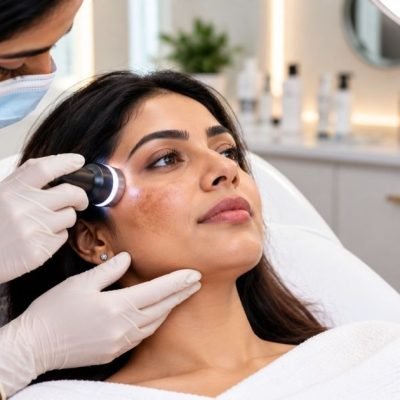
- Examine your skin, sometimes using a special light or dermatoscope
- Recommend tests only if needed (for example, blood tests, allergy tests, or biopsy)
You’ll then receive a personalised treatment plan that may include prescription creams, tablets, in-clinic procedures (like peels or lasers), and clear home-care instructions. The goal is to treat the root cause and protect your skin long-term, not just cover up symptoms.
In Velachery/Chennai? Why Choosing the Right Clinic Matters
In a climate like Chennai’s, where heat, humidity, intense sun, and pollution are part of daily life, skin and hair concerns can behave very differently compared to cooler cities. Acne, fungal infections, pigmentation, and scalp issues are especially common in such environments.
That’s why choosing the best dermatologist clinic in Velachery that understands local skin patterns, lifestyle realities, and Indian skin types makes a big difference to results.
Why Skinfinity Stands Out as a Dermatology Clinic in Velachery
Skinfinity in Velachery is built around a simple idea: skincare is not vanity, it’s a ritual of self-respect. Every treatment is rooted in dermatology, precision technology, and science-backed protocols, so you’re not just trying products—you’re following a clear, guided plan for healthier skin.
At Skinfinity:
- Every consultation focuses on your skin’s biology, lifestyle, and long-term goals, not just quick fixes.
- Treatments use FDA-approved laser technology, medical-grade skincare, and evidence-based protocols for concerns like acne, pigmentation, ageing, scars, and hair loss.
- You’re guided through each step with transparency—what the treatment does, what to expect, and how to care for your skin at home—so you feel supported, not confused.
From advanced lasers and pigmentation correction to non-invasive anti-ageing and hair restoration, Skinfinity offers customised plans for people in and around Velachery who want expert-led, but still approachable, skin care.
If you recognise any of the 10 signs described in this article and you live in Velachery or nearby Chennai areas, booking a dermatologist consultation at a clinic like Skinfinity can help you move from worrying and guessing to healing with confidence.